


Introduction
1. What Is Conjunctivitis and How Does It Affect the Eyes
2. Key Causes Behind Viral, Bacterial, and Allergic Conjunctivitis
3. How Viral Conjunctivitis Develops and Spreads
4. Characteristics and Symptoms of Bacterial Conjunctivitis
5. Allergic Conjunctivitis and the Role of Immune Response
6. Symptom Comparison: Viral vs Bacterial vs Allergic Conjunctivitis
7. Diagnosis: How Doctors Identify the Type of Conjunctivitis
8. Treatment Options for Each Type of Conjunctivitis
Conclusion
Introduction
Pink eye is a very common eye issue. It hits the soft skin on the eye. This skin is the thin pink skin on the lid and on the white part of the eye. The main test is to know what type of pink eye you have. There are three key types. One is viral. One is bacterial. One is allergic. Each type acts in its own way. Each type needs its own care plan. This is why the gap in each type is so key. A right know of the type can help stop harm and help heal faster.
Medical clipart showing a line drawing illustration of eye disease and viral conjunctivitis.
What Is Conjunctivitis and How Does It Affect the Eye
Pink eye is a hot and red feeling in the soft skin of the eye. This soft skin is the thin, moist skin on the lid. It also sits on the white eye part. This skin can get hot when a germ or dust hits it. Pink eye can hit one eye or both eyes. It can show as a red eye. It can give a burning feeling. It can make the eye leak. It can also make you feel like sand in your eye. All types share some signs. But each type has its own key mark that can help you know the right one.
Key Cause in Viral, Bacterial, and Allergic Pink Eye
The viral type is due to a tiny germ that we call a virus. This type can pass fast from hand to hand or by air. The main virus is the cold virus. It can also be a flu virus. The bacterial type is due to a real germ bug. This bug can grow on the lid edge. It can also grow in moist skin. The allergic type is due to dust or fur, or tiny grains in the air. This hits your body in a soft but strong way. It is not due to a germ. It is due to your own bodily act.
How Viral Pink Eye Grows and Spreads
Viral pink eye is easy to pass. It can pass when you rub your eye and then touch something. Then, some other can touch that spot and then touch the eye. It can pass through the air when you are near a sick person. It can grow if you have a cold. It can grow if a sick mate is near you. Kids in tight classrooms get it a lot. This type can last long. It can go from one eye to the next eye in a few days. This type can make the eye red and wet.
Marks and Signs of Bacterial Pink Eye
This type has a thick leak. It has a bad smell at times. Your lid can stick when you wake up. You may feel pain in the lid. Your eyes can look red and dull. This type can get worse fast if you do not care for it. At times, it can hit the cornea if left for too long. This is why care is so key. A doc can tell fast when the leak is thick and has a tint. This type is not as long as viral, but it can hurt more.
Allergic Pink Eye and How Your Body Plays a Role
Allergic pink eye is not a germ hit. It is due to dust or fur, or bloom grain in the air. The body sees this as a bad thing. Your body then acts too much. This act makes the eye red. It makes it itch a lot. It can make both eyes itch at the same time. You may also sneeze a lot. This type can last all year if you live near dust. Or it can show at one time of the year when grain is high.
Key Gap in Viral, Bacterial, and Allergic Pink Eye Signs
The viral type gives a soft, wet leak. It can make the eye feel hot. The bacterial type gives a thick leak. It can glue the lid shut. The allergic type gives an itch that is very strong. It hits both eyes. The time span also shifts. Viral can last a long time. Bacteria can end in five to seven days if you use the right care. Allergies can last as long as the dust or bloom grain stays in the air. Pain can also be a mark. Viral can give mild pain. Bacteria can cause more harm. Allergy gives more itch than pain.
How a Doc Knows the Type
A doc looks at the eye skin. A doc looks at the leak. A doc may ask when it came. A doc may ask if both eyes hurt. If the doc feels the type is germ-based, the doc may take a tiny wet swab. This helps lab techs find the bug. A doc looks at the lid edge to find if it is a bug. A doc also asks if you have sneeze or a nose itch, as that shows an allergy base. A right test helps the care plan.
Care Plan for Viral, Bacterial, and Allergic Pink Eye
Viral pink eye needs rest. You can use a warm, wet pad on the lid. You can wash the eye with clean, warm water. Bacterial pink eye needs a germ-kill drop. The doc gives this. It helps kill the bug in two or three days. Allergic pink eye needs a stop to the dust or bloom grain. You can wash your face. You can use cool wet pads. You can use an anti-itch drop. You can clean your room.
Each type needs you not to rub the eye. This can make the eye redder. It can also pass the germ.
How to Stop the Spread of Pink Eye
You need to wash your hands a lot. You need to keep your towel apart from kin. You need to not rub your eye. You need to clean your phone. You need to stay home if your eye leaks a lot. Kids need to not go to school till the leak stops. This can help stop viral and bacterial types. For an allergic type, you need to cut dust or fur in your room. A clean fan can help a lot.
Home Tips to Heal Pink Eye Fast
A warm pad can help the viral type. Cool pad can help the allergic type. A wet lid wipe can help the bacterial type. You can rest your eyes in dim light. Drink more water. Clean your hands. Do not use the lens at this time. Do not use eye makeup. You can use tear teardrop to keep the eye moist. All this helps the eye heal with less pain.
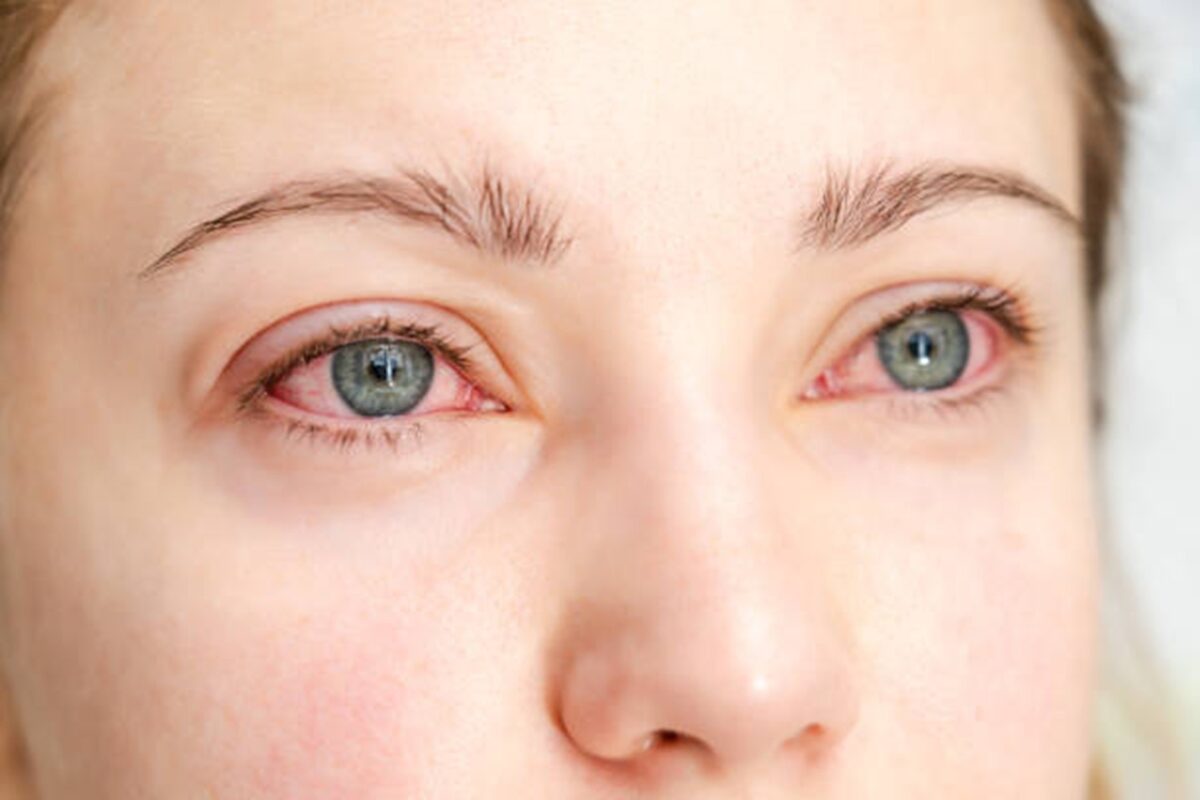
Close-up of red, irritated human eyes showing allergy symptoms and conjunctivitis.
Conclusion
Pink eye can have many forms. The viral one passes fast. The bacterial one hits harder. The allergic one hits due to dust and blooming grain. Each type has its own mark. A right knowledge of the type is key to the right care. If you do not heal in three to five days, you need a doc test. If pain gets too bad, you also need help. Right care and right knowledge can help you keep your eyes safe and well.
You might also be interested in the following Difference between Tension and Sinus Headache and how to cure it fast